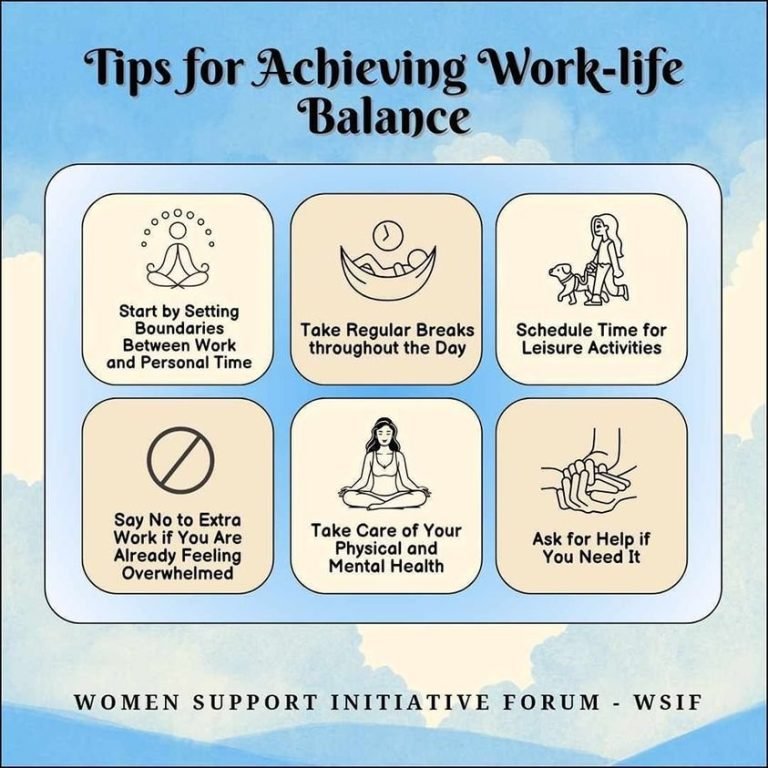
The relentless hum of notifications, the ever-present to-do list, and the blurred lines between professional responsibilities and personal life: sound familiar? For many, the concept of achieving true Work-Life Balance & Lifestyle Demands feels like an unattainable dream. It’s a pursuit often misunderstood, mistaken for slacking off or a lack of ambition. But let's be clear: a healthy equilibrium between your professional drive and your personal well-being isn't a luxury; it's the very bedrock of your health, happiness, and long-term success.
It’s about consciously shaping a life where your career thrives without eclipsing your health, your relationships, or your personal joys. This isn't about perfectly splitting your time 50/50, but rather finding a dynamic harmony that supports your current goals and priorities, whatever they may be. And yes, for working parents, those managing health concerns, or individuals navigating the complexities of remote and flexible work, finding that sweet spot can feel like a constantly shifting puzzle.
At a Glance: What You’ll Discover
- Work-life balance is personal: It's not a one-size-fits-all formula, but an individual perception of harmony.
- It’s essential for health: Imbalance can lead to serious physical and mental health issues, from heart disease to burnout.
- It boosts productivity: Counterintuitively, a better balance often leads to higher performance and job satisfaction.
- Signs are subtle: Learn to recognize the indicators of both healthy equilibrium and looming imbalance.
- You have agency: Discover practical, actionable steps you can take to improve your own balance.
- Your employer is a partner: Understand how to professionally advocate for policies and arrangements that support your well-being.
- It’s an ongoing journey: Work-life balance isn't a destination, but a continuous process of evaluation and adjustment.
Demystifying the Elusive Equilibrium: What Work-Life Balance Truly Means
Before we dive into solutions, let's establish a common understanding. Work-life balance is fundamentally about an equilibrium between your professional and personal life, where no single element consistently dominates. Think of it not as a static state, but as a fluid dance, adapting to the rhythm of your life's changing demands. It's your individual perception of harmony between your work and non-work activities, aligning with what truly matters to you right now.
This personal definition is key. For a working parent, it might mean ensuring quality time with children after school. For an older worker, it could involve managing health appointments without career penalty. For someone utilizing flexible or remote work, it often means setting strict boundaries to prevent work from bleeding into every corner of their home life. The challenge is often greater with these flexible arrangements, where the office is never truly "closed."
Crucially, achieving work-life balance isn't synonymous with slacking off, skipping work, or putting in less effort. Quite the opposite. It’s about managing demands on your time and energy effectively, without neglecting vital life areas or shirking your workplace duties. Procrastination and avoiding responsibilities aren't strategies for balance; they’re ineffective coping mechanisms that inevitably lead to greater stress and future problems. True balance is about intentionality, not evasion.
Why Chasing Balance Isn't a Luxury, It's a Necessity
You might be thinking, "That all sounds great, but who has the time?" The truth is, you can't afford not to prioritize work-life balance. Its impact stretches far beyond just feeling a bit less stressed; it directly influences your overall well-being, encompassing your physical, emotional, and mental health. This isn’t just anecdotal; solid research backs it up.
Consider the findings from the Government Accountability Office (GAO), which highlight a stark reality: consistently working long hours can lead to serious health issues. We’re talking about an increased risk of stroke, coronary heart disease, type 2 diabetes, and even increased alcohol consumption. Your body and mind simply aren't designed for sustained, high-stress output without adequate recovery.
There's also a pervasive misconception that more hours equate to more productivity. While dedication is admirable, studies consistently show that our cognitive abilities and overall effectiveness sharply decline after a certain number of working hours. Pushing past that point often results in diminishing returns, errors, and exhaustion rather than groundbreaking output. Think of it this way: a well-rested mind often accomplishes more in fewer focused hours than an overtired one struggling through a marathon workday.
On the flip side, employees who genuinely experience better work-life balance are more satisfied with their jobs, perform at a higher level, and demonstrate greater commitment to their organizations. They're not just healthier; they're more engaged, innovative, and resilient contributors. It's a win-win for both the individual and the employer.
Spotting the Signs: Is Your Balance Out of Whack?
Sometimes, the insidious creep of imbalance is hard to spot until you’re deep in its grip. But there are clear indicators that can help you gauge your current state.
A healthy work-life balance often manifests as a general lack of regular overwhelm and frustration. You feel largely in control, capable of adapting to both professional and personal demands without feeling your world is about to crumble. You might still face challenges, but you have the mental and emotional reserves to navigate them.
On the other hand, if you regularly dread the week ahead, battling intense "Sunday scaries" or a chronic "case of the Mondays," that's a red flag. These feelings often signal that your work life is heavily outweighing your personal life, leaving you drained and unfulfilled.
Key indicators of a good work-life balance include:
- Flexibility and Adaptability: You can shift gears between work and personal life without experiencing a full-blown crisis. A sudden personal need or professional deadline doesn't send you into a spiral of anxiety.
- Intentional Self-Care: You consciously carve out time for your personal well-being – whether it’s exercise, hobbies, relaxation, or simply disconnecting. You recognize stress and actively manage it.
- Time for Joy and Connection: You have enough time for activities you enjoy, cultivate meaningful relationships, and engage in your community. Your life isn't just work and chores.
- Clear Boundaries: You've established and communicate clear lines between work and non-work. This might mean not responding to work emails after a specific time, avoiding work-related discussions at dinner, or simply "turning off" your work brain when you're physically away from your workspace.
- Minimal Burnout Symptoms: You're not experiencing chronic exhaustion, cynicism, or a pervasive sense of ineffectiveness. You feel energized, not depleted. (We'll dive deeper into burnout in a moment.)
If many of these positive indicators feel foreign to your current reality, it’s a strong signal that it's time to take action.
Proactive Steps: Reclaiming Your Life, One Choice at a Time
Taking control of your Work-Life Balance & Lifestyle Demands starts with you. While your employer plays a role (which we'll discuss), individual agency is incredibly powerful. Here’s a roadmap to guide your journey:
1. Pause and Honestly Evaluate
You can't fix what you don't understand. Begin by taking a step back and observing how the different parts of your life truly impact one another. Are you constantly sacrificing sleep for work? Is your personal development taking a backseat to looming deadlines?
- Ask yourself: Am I spending enough quality time on meaningful activities and with the people who matter most to me? Are my daily actions truly aligned with my personal values and professional goals?
- Try journaling: Spend a week tracking your time and energy. Note when you feel most stressed, most engaged, and most drained. This can illuminate hidden patterns and identify areas crying out for adjustment.
2. Assess Your Priorities: What Truly Matters?
Once you have a clearer picture, it’s time to get brutally honest about your priorities. What are your non-negotiables? Where are you willing to compromise, and where have you been compromising too much?
- Define your core values: Is it family? Health? Career advancement? Creative expression?
- Integrate responsibilities: Look for ways to blend what’s important. Can you combine a walk with a family conversation? Can a professional development goal also feed a personal interest? This isn't about shoehorning; it’s about thoughtful integration.
3. Make a Concrete Plan
Vague intentions rarely lead to tangible change. Identify the specific problems you’re facing – perhaps it's consistently long hours, work encroaching on your evenings, a feeling of lack of control, or simply too many demands. Then, create a personalized, actionable plan to tackle them.
- Be specific: Instead of "I need more time," try "I will block out 30 minutes for exercise daily" or "I will stop checking work emails after 6 PM."
- Break it down: Large goals can be overwhelming. Break your plan into small, manageable steps.
4. Create Divisions and Establish Unbreakable Boundaries
This step is absolutely critical, especially if you work remotely or have a flexible schedule. The physical separation of an office provides natural boundaries; when your home is your office, you have to create them intentionally.
- Physical Boundaries: If possible, designate a specific workspace. When you leave that space, you "leave" work.
- Time Boundaries: Decide on your "start" and "end" times and stick to them. Avoid the temptation to work longer hours, "catch up" on work, or check emails during your designated off-time. This is often the hardest boundary to enforce but the most rewarding.
- Emotional Boundaries: Learn to mentally disengage from work problems when you're not working. This takes practice but is vital for psychological well-being.
- Communicate your boundaries: Make your colleagues and family aware of your boundaries. "I won't be checking emails after 7 PM, but I'll respond first thing in the morning" is a clear, professional statement. Remember: not working when you're not at work isn't lazy; it's essential self-preservation.
5. Master Your Time, Master Your Day
Time isn't infinite, but how you manage it is largely within your control. Take an honest look at your current schedule and identify where you can adjust.
- Time Blocking: Allocate specific blocks of time for specific activities – deep work, meetings, breaks, personal tasks, family time. Treat these blocks like non-negotiable appointments.
- Prioritization Matrix: Use a simple Eisenhower Matrix (Urgent/Important) to determine what tasks truly need your immediate attention and what can be scheduled for later or delegated. This prevents you from constantly reacting to perceived emergencies.
- Batching: Group similar tasks (e.g., answering emails, making calls) together to improve efficiency.
6. The Power of the Pause: Take Real Breaks
Our brains aren't meant to run on full throttle for eight hours straight, let alone more. Incorporating regular breaks is not a sign of weakness; it's a strategic move for sustained productivity and mental clarity.
- Mini-Breaks: Step away from your screen every hour or so. Stand up, stretch, grab water, look out a window. Even five minutes can reset your focus.
- Regular Days Off: Use your weekends and days off for genuine rest and rejuvenation, not just catching up on chores. Schedule intentional "mindfulness days" or personal development time.
- Vacations that Unplug: Don't just take time off; truly disconnect. Consider mini-vacations or designated tech-free weekends or daily periods. You’ll return refreshed and more effective.
7. Decoding Burnout: What It Looks Like and When to Act
Work-life imbalance, left unchecked, can spiral into burnout. This isn't just stress; it's a state of chronic physical and emotional exhaustion, often accompanied by cynicism, detachment, and a sense of ineffectiveness. It's serious, and it requires serious attention.
Signs of burnout include:
- Chronic Exhaustion: Feeling perpetually tired, even after sleep.
- Emptiness and Detachment: A lack of interest or joy in things you once loved, feeling disconnected from your work or even your life.
- Difficulty Coping: Small problems feel insurmountable.
- Physical Symptoms: Persistent headaches, high blood pressure, frequent illness, changes in appetite.
- Mental Symptoms: Sleep problems (insomnia or excessive sleep), depressed moods, apathy, irritability, impaired concentration.
If you recognize these symptoms, it's a critical moment. Serious changes are necessary – this might mean extended time off, a significant shift in your position, or even exploring a job change. Ignoring burnout will only exacerbate its effects.
8. Reflect, Refine, Repeat: Balance as an Ongoing Practice
Work-life balance is rarely a "set it and forget it" achievement. Life is dynamic, and so must be your approach to balance. What works today might not work tomorrow.
- Periodic Check-ins: Regularly (monthly, quarterly) reflect on your current balance. Are your strategies still serving you?
- Adjust as Needed: As life changes – new job, new family responsibilities, health shifts – be prepared to refine your plan. This constant reflection and adaptation is how you maintain a healthy equilibrium over the long haul.
9. When It's Time for a Bigger Change
Despite your best efforts, sometimes the environment itself is the primary obstacle. If your employer is unwilling or unable to facilitate changes that would allow for a healthier balance, and your well-being is severely impacted, exploring new opportunities may be a necessary and brave step.
Before making such a significant move, do your homework. Research potential employers and roles thoroughly. Check job review sites and speak to current and former employees for insights into their work-life balance culture. A new role isn't just about the title or salary; it's about finding an environment that respects and supports your whole self. It's a fundamental question of aligning your career with your life's aspirations, much like deciding Should you go to med school? – these are choices that define much of your adult life.
Partnering with Your Employer: Advocating for a Better Balance
Sometimes, improving your balance requires a conversation with your leadership. Many organizations are increasingly recognizing the value of supporting their employees' well-being, as it leads to higher retention, engagement, and productivity.
If you're struggling, consider discussing potential work-life benefits with your supervisor or HR department. These might include:
- Flexible Work Arrangements: Hybrid, remote, or flextime options that allow you to adjust your working hours or location.
- Alternative Schedules: Compressed workweeks (e.g., four 10-hour days), or staggered start/end times.
- Childcare Options: Access to onsite childcare, subsidies, or referral services.
- Access to Mental Health Services: Employee Assistance Programs (EAPs) offering counseling, stress management resources, or mental health support.
These accommodations are not just employee perks; they benefit employers too through reduced turnover, higher morale, and a more resilient workforce.
How to Have That Crucial Conversation
Approaching your boss about needing a better work-life balance requires professionalism and a solutions-oriented mindset.
- Schedule a Dedicated Meeting: Don't spring it on them in the hallway. Request a formal meeting to discuss your workload and professional growth.
- Clearly Explain the Problem (Without Blaming): Focus on the impact on your effectiveness and well-being, not just your personal struggles. For example, "I've noticed my productivity dips in the late afternoon due to extended hours, and I'm concerned about maintaining my best performance long-term."
- Propose Collaborative Solutions: Come to the meeting with ideas. This could involve:
- Reprioritizing tasks: "Could we look at my current projects and identify what's truly top priority, perhaps deferring or delegating X?"
- Delegating work: "I believe Y project could be effectively handled by Z team member, allowing me to focus on A."
- Hiring additional help: If the team is genuinely overloaded.
- Allowing remote or flexible work: "Would a hybrid schedule be an option to help me manage my focus and reduce commute stress?"
- Maintain Professionalism and Commitment: Reassure your boss of your dedication to your role and the organization. Frame the conversation around how a better balance will increase your productivity, focus, and overall job satisfaction, benefiting everyone involved.
Understanding Your Legal Rights
In certain circumstances, employees also have legal rights to accommodations that can support work-life balance.
- The Family and Medical Leave Act (FMLA): This federal law allows eligible employees to take unpaid, job-protected leave for specific family and medical reasons, such as the birth of a child, caring for a family member with a serious health condition, or a serious health condition of their own.
- The Americans with Disabilities Act (ADA): If you have a diagnosed disability (which can include certain mental health conditions with proper documentation), the ADA may require your employer to provide reasonable accommodations to help you perform your job effectively. This could include flexible scheduling, altered break times, or changes to your work environment.
It’s always wise to understand your rights and consult with HR or a legal professional if you believe you qualify for these protections.
Common Myths and Misconceptions About Work-Life Balance
Let's debunk a few persistent myths that often hinder people from pursuing a healthier balance:
- "Work-life balance means doing less work." As established, it's about working smarter, not necessarily less. It's about efficiency, focus, and preventing burnout, which ultimately allows you to sustain high-quality work.
- "It's only for parents or people with specific needs." Absolutely not. Everyone, regardless of family status, age, or background, benefits from a life that isn't solely defined by their job. Your personal life, hobbies, relationships, and health are fundamental to your identity and happiness.
- "It's a fixed destination I need to reach." Think of it less as a destination and more as a compass. You're constantly course-correcting, making small adjustments to stay headed in the right direction as your life's winds shift.
- "My boss won't understand, so why bother?" This is a self-limiting belief. While not all bosses are equally enlightened, many are more open than you think, especially when you frame the conversation around shared benefits like increased productivity and retention. Even if they can't meet all your requests, small changes can make a big difference.
Your Long-Term Well-being: A Non-Negotiable Investment
Achieving a healthy Work-Life Balance & Lifestyle Demands isn't just a trendy buzzword; it's a profound commitment to your own health, happiness, and sustained effectiveness. It’s about building a life that feels fulfilling, not just productive.
The journey won't be linear, and there will be times when work demands more of you, and times when personal life takes precedence. The goal isn't perfect equilibrium every single day, but rather a flexible framework that allows you to adapt without sacrificing your core well-being.
Start small. Pick one or two strategies from this guide and integrate them into your routine. Be patient with yourself, celebrate small victories, and remember that investing in your balance isn't selfish – it's the smartest investment you can make in your future. Your best work, your best relationships, and your happiest self depend on it.