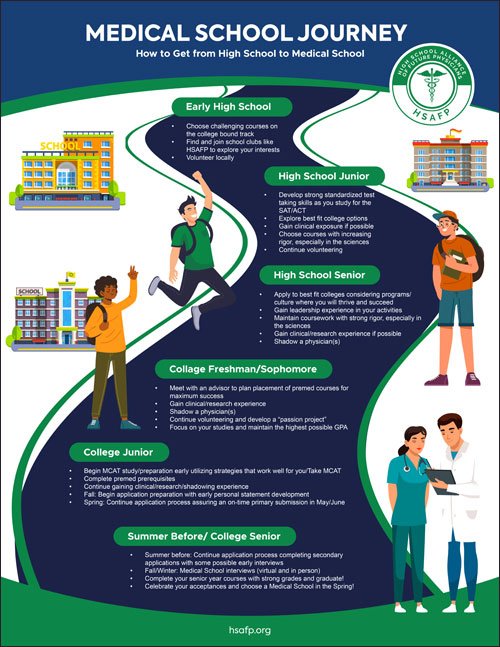
The medical school journey is more than just an academic pursuit; it’s a profound crucible that reshapes aspiring physicians, testing limits, forging resilience, and ultimately transforming their identity, habits, and worldview. This intensive period, marked by structured learning and deep self-reflection, is laden with both immense challenges and unparalleled rewards, fundamentally influencing not just your professional trajectory but every facet of your personal life.
At a Glance: What to Expect from Medical School
- A Complete Transformation: Medical school changes how you think, act, and even live, going far beyond textbooks.
- Healthier Living: You'll gain scientific insights into the human body that empower better personal health choices.
- Sharpened Mind: Expect a dramatic leap in critical thinking, problem-solving, and diagnostic abilities.
- Embracing Feedback: Learn to turn criticism into a powerful tool for growth, overcoming self-doubt.
- Confidence Through Milestones: Each successful procedure or diagnosis builds a solid foundation of self-assurance.
- Self-Reflection is Key: Introspection becomes a vital practice for personal growth and empathetic patient care.
- Balance is Crucial: Nurturing outside passions isn't a distraction; it’s essential for well-being and effectiveness.
The Crucible of Transformation: Identity, Worldview, and Habits
Entering medical school is akin to stepping into a new dimension. What you knew of yourself, your daily routines, and even your understanding of the world will evolve dramatically. The sheer volume of information, the demanding schedule, and the profound responsibility of future patient care necessitate an internal restructuring. You learn not just anatomy and pharmacology, but how to learn, how to adapt, and how to maintain your humanity in the face of intense pressure.
This journey is a continuous cycle of self-discovery and refinement. For many, it's during this time that you truly begin to understand the intricate dance between personal well-being and professional efficacy. It’s a period where every experience, from a lecture on neuroanatomy to a challenging patient encounter, molds you into a more capable and compassionate individual, deeply affecting how you see yourself and your place in the world.
Unlocking the Human Body: A New Perspective on Health
One of the most immediate and profound impacts of medical school is the unparalleled insight it provides into the human body. Suddenly, abstract concepts of biology and chemistry become living, breathing systems. This scientific literacy isn't just for exams; it trickles down into every decision you make about your own health and lifestyle.
Imagine understanding exactly why sleep hygiene is critical, not just as a general recommendation, but at a cellular and neurological level. This knowledge empowers you to make informed decisions about your nutrition, exercise habits, and preventive care. For instance, realizing the pervasive impact of chronic stress on nearly every organ system can naturally lead you to prioritize mindfulness and stress-reduction techniques in your own life. Even seemingly minor issues, like the dry, irritated skin common from frequent handwashing in clinical settings, can be approached with a deeper understanding, leading to more effective self-care solutions gleaned from dermatology lectures.
While the hours are long and schedules often irregular, embracing resources like comprehensive video series for study optimization can free up precious time. This efficiency, in turn, allows for more self-care, reinforcing the fundamental principle that prevention, both for patients and for yourself, is always better than cure.
Sharpening Your Mind: The Evolution of Critical Thinking
Medical school is a relentless training ground for your intellect. It significantly enhances critical thinking and problem-solving skills, transforming how you approach challenges, both clinical and otherwise. From day one, you're tasked with synthesizing vast amounts of information, connecting disparate facts, and applying them to complex, often ambiguous, scenarios.
Initial patient encounters are a prime example. Within limited timeframes, you're expected to multitask—listening actively to a patient's narrative, observing subtle non-verbal cues, formulating diagnostic hypotheses, and planning the next set of questions. This isn't innate; it's a skill honed through deliberate practice and countless repetitions. This cognitive agility isn't confined to the hospital; you’ll find it extends to troubleshooting technical issues, devising efficient study strategies, or even planning complex personal projects. Resources that effectively break down complex medical concepts, much like the systematic reasoning required in clinical diagnosis, become indispensable tools for this intellectual development.
Navigating the Feedback Loop: Resilience in the Face of Criticism
Criticism is an inherent, albeit often uncomfortable, part of medical education. Whether it comes from an attending physician, a resident, or even a peer, receiving feedback—especially when it highlights a perceived shortcoming—can initially trigger impostor syndrome. That nagging voice might whisper, "You don't belong here."
However, a crucial lesson learned is to reframe criticism as constructive feedback. Instead of internalizing it as a personal failure, you learn to dissect it, focusing on actionable takeaways. A critique on a procedural technique, for example, isn't a judgment on your worth; it's an invitation to engage in supervised practice and targeted drills. This iterative process, often aided by platforms offering step-by-step instructional content, fosters adaptability and a growth mindset. Furthermore, embracing the phrase "I don't know" becomes a badge of intellectual humility, signaling a commitment to lifelong learning rather than a lack of competence. This mindset is vital for growth and safety in patient care.
Celebrating Milestones: Building Confidence, One Success at a Time
Amidst the challenges and rigorous learning, medical school provides numerous opportunities for significant achievements that profoundly boost confidence. These aren't just academic accolades; they're often hands-on, tangible successes that demonstrate your growing competence and readiness for clinical practice.
Mastering a complex procedure, delivering an accurate diagnosis that genuinely helps a patient, or earning positive evaluations from experienced clinicians are all powerful affirmations. Successfully performing your first central line insertion, for example—a moment often prepared for using simulation models and instructional videos—isn't just a technical achievement. It's a clear demonstration of how leveraging diverse educational tools translates into real-world capability. Sharing these triumphs, big or small, with peers also builds a strong sense of camaraderie and mutual support, reinforcing that you're not alone on this demanding path. These moments of affirmation are crucial fuel for the long journey ahead.
The Power of Introspection: Cultivating Self-Awareness
Self-reflection is not merely encouraged in medical training; it's often a mandatory cornerstone. You'll encounter assignments and exercises specifically designed to promote introspection, vulnerability, and a continuous reassessment of your priorities. This isn't busywork; it's a vital process for enhancing productivity, achieving a better work-life balance, and ultimately becoming a more effective and empathetic clinician.
Beyond structured assignments, interacting with hundreds of patients organically cultivates compassion and refines communication skills. Each patient history taken, each narrative heard, instills a deeper sensitivity to individual experiences and suffering. This profound exposure doesn't stay within hospital walls; it subtly yet powerfully impacts your interpersonal dynamics outside of medicine, making you a more attuned listener and a more considerate individual. This holistic development, focusing on both clinical acumen and personal growth, is what truly defines a well-rounded physician.
Beyond the Books: Fueling Passions for Holistic Well-being
The intensity of medical school can be all-consuming, making it easy to lose sight of personal interests. However, pursuing passions unrelated to medicine is not a luxury; it’s a critical component of overall well-being and, paradoxically, enhances your effectiveness as a clinician. Hobbies like competitive swimming, creative writing, painting, or playing a musical instrument provide a vital escape valve, revitalizing your spirits and breaking the monotony of endless study.
These activities boost your mood, sharpen your focus when you return to your studies, and offer a different kind of intellectual stimulation. Interestingly, parallels often exist between artistic expression and diagnostic reasoning; both require meticulous attention to detail, keen pattern recognition, and innovative problem-solving. Nurturing diverse interests helps you maintain perspective, prevent burnout, and cultivate a richer, more balanced life, making the demanding medical school journey more sustainable and enjoyable. If you're still considering if med school is worth it given the commitment, remember the value of maintaining a well-rounded existence.
Preparing for the Next Chapter: Sustained Growth and Empowerment
The medical school journey is undeniably a crucible, but one that ultimately shapes you into a stronger, wiser, and more compassionate version of yourself. It's a journey of continuous cultivation: fostering healthier lifestyles rooted in scientific literacy, developing razor-sharp analytical faculties, and learning to embrace your limitations while striving for continuous improvement.
This path isn't meant to be walked alone. Many resources are specifically designed to empower students through the rigors of medical education, providing not just content but strategies for sustainable growth. From mastering complex subjects to navigating the emotional landscape of clinical training, the tools and support systems available today are more robust than ever. By leveraging these resources and committing to both your academic and personal development, you can confidently navigate the challenges and emerge as a physician ready to make a profound difference in the lives of others. The transformation is immense, but the impact you'll have is immeasurable.